Microcredentials: Shaping the Future of Higher Education Leadership in Pakistan
Posted 1 month ago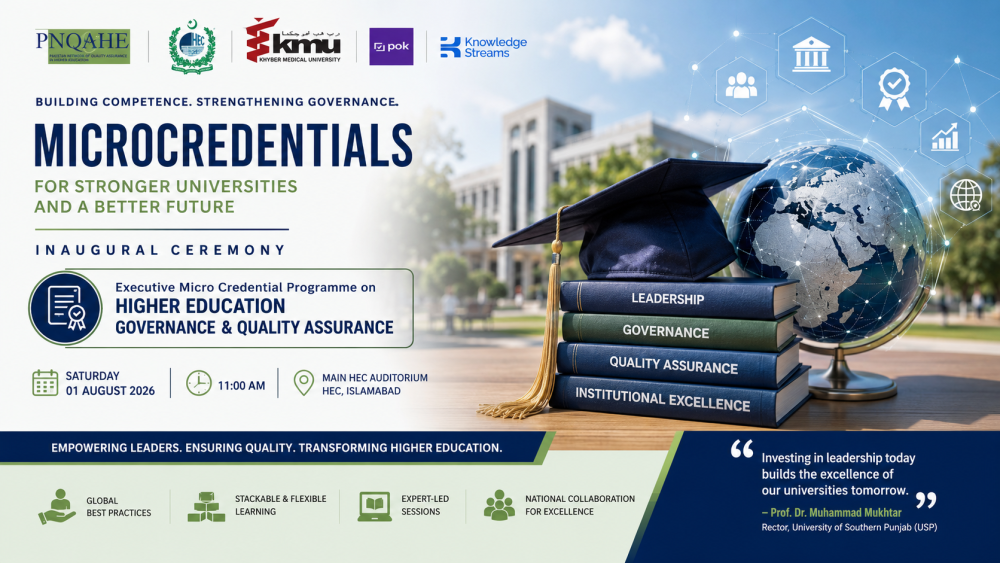
168/2026
Pakistan's higher education sector is entering a new era of professional development with the launch of the Executive Microcredential Program on "Higher Education Governance & Quality Assurance," inaugurated on 1 August 2026 at the Higher Education Commission (HEC) in Islamabad. Organized through a collaborative effort by the Pakistan Network of Quality Assurance in Higher Education (PNQAHE), HEC, Khyber Medical University (KMU), Pakistan Open Knowledge (POK), and Knowledge Streams, the program brings together vice chancellors, deans, quality assurance leaders, and senior academic administrators from across the country.
The initiative reflects a growing international movement toward microcredentials, short, competency-based learning experiences that equip professionals with specialized skills while remaining flexible enough to fit alongside demanding careers. By focusing on governance, institutional leadership, and quality assurance, the program seeks to strengthen the strategic capacity of Pakistan's higher education institutions and promote a culture of continuous improvement.
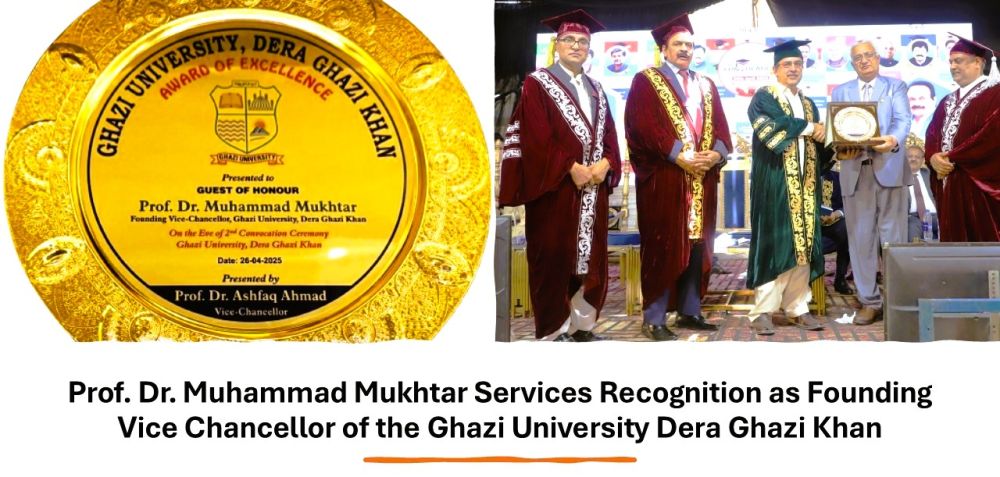
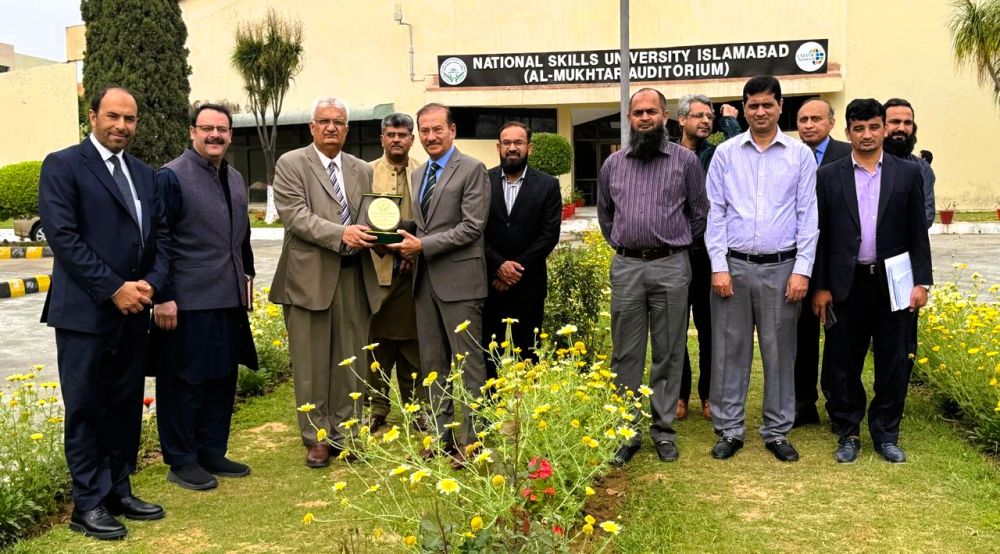
Prof. Dr. Muhammad Mukhtar, Rector of the University of Southern Punjab (USP), lauded the initiative as a timely, forward-looking investment in academic leadership. He noted that modern universities require leaders who continually update their knowledge to navigate evolving regulatory environments, digital transformation, internationalization, and emerging quality standards. He emphasized that executive microcredentials offer an agile pathway for university leaders to acquire contemporary competencies, foster institutional excellence, and enhance global competitiveness.
The program also aligns Pakistan with leading international trends. Around the world, prestigious institutions such as Harvard University, Massachusetts Institute of Technology (MIT), Arizona State University, Deakin University (Australia), and the University of London increasingly offer stackable microcredentials, enabling learners to accumulate individual certificates that can later be combined toward postgraduate certificates, diplomas, or even master's degrees. This modular learning model has become a cornerstone of lifelong learning, allowing professionals to advance through flexible, industry-relevant educational pathways without interrupting their careers.
As Pakistan advances toward a knowledge-driven economy, initiatives such as this Executive Micro Credential Program signal a significant shift from traditional one-time qualifications to continuous, stackable learning. By strengthening institutional governance and embedding international best practices in quality assurance, the program has the potential to strengthen leadership in higher education and position Pakistani universities for greater regional and global recognition.