Microcredentials Move to the Center of Pakistan's Higher Education Transformation
Posted 1 month ago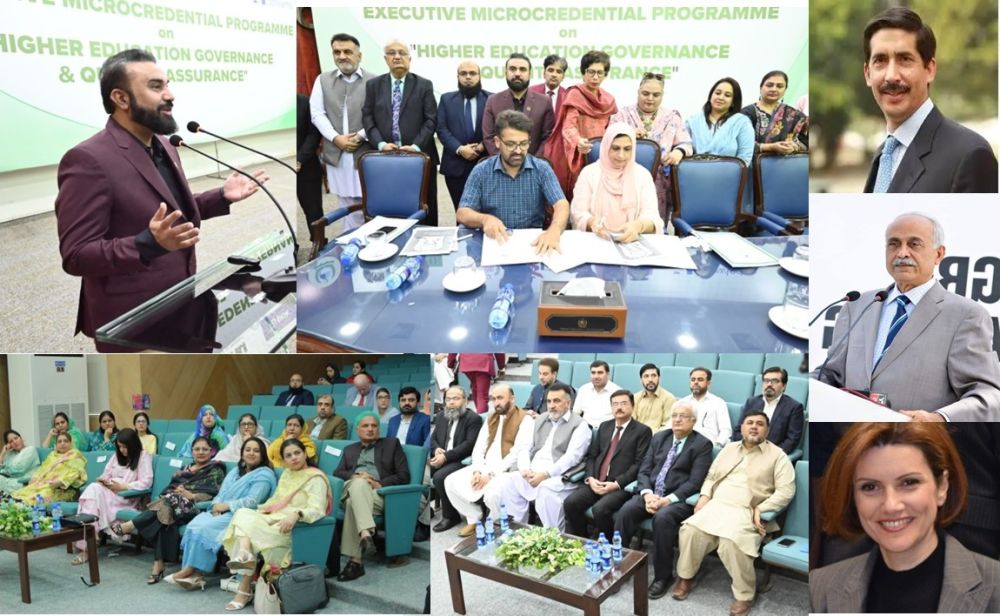
169/2026
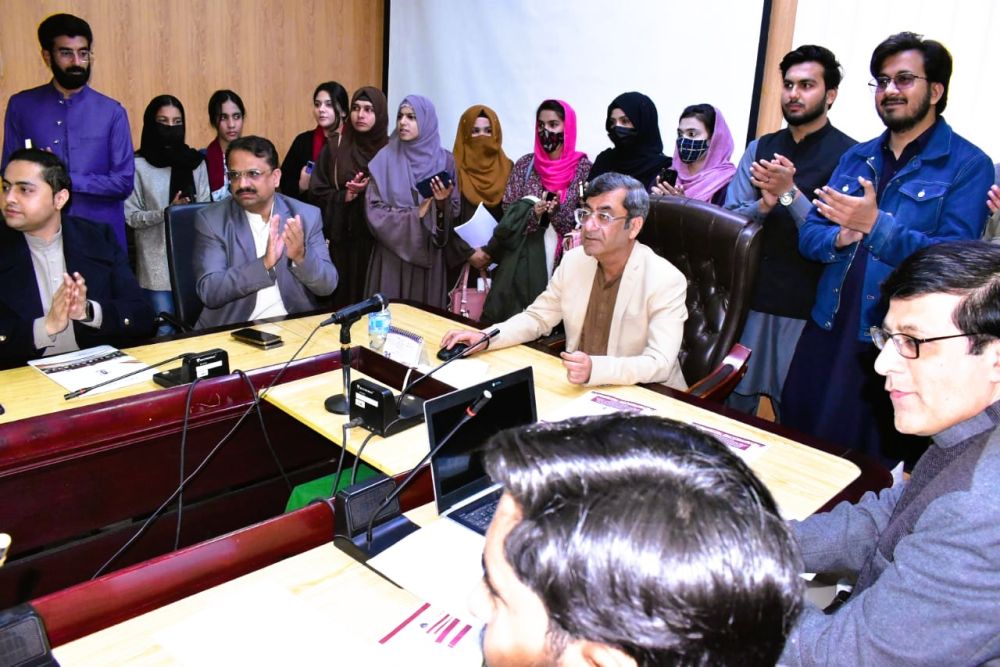
The Pakistan Network of Quality Assurance in Higher Education (PNQAHE), in collaboration with the Higher Education Commission (HEC), inaugurated the First Cohort of the Executive Microcredential Program in Higher Education Governance & Quality Assurance on August 1, 2026. The initiative positions Pakistan among a growing number of nations that embrace microcredentials as a cornerstone of agile, lifelong learning and institutional excellence.
The inaugural ceremony, held at the Higher Education Commission headquarters in Islamabad, brought together an exceptional assembly of higher education leaders, including Vice Chancellors, policymakers, quality assurance professionals, and internationally renowned experts. Prof. Dr. Zia-ul-Haq, Executive Director of HEC, served as Chief Guest and underscored the importance of strengthening governance frameworks to meet the rapidly evolving demands of twenty-first-century higher education.
The program was welcomed by leading voices in academia, including Prof. Dr. Muhammad Mukhtar, Rector of the University of Southern Punjab, Multan, who described the initiative as "timely, visionary, and urgently needed." He emphasized that Pakistan's Higher Education Commission should formally integrate microcredentials into the National Qualifications Framework, enabling universities to recognize flexible, industry-relevant learning pathways alongside traditional degree programs.
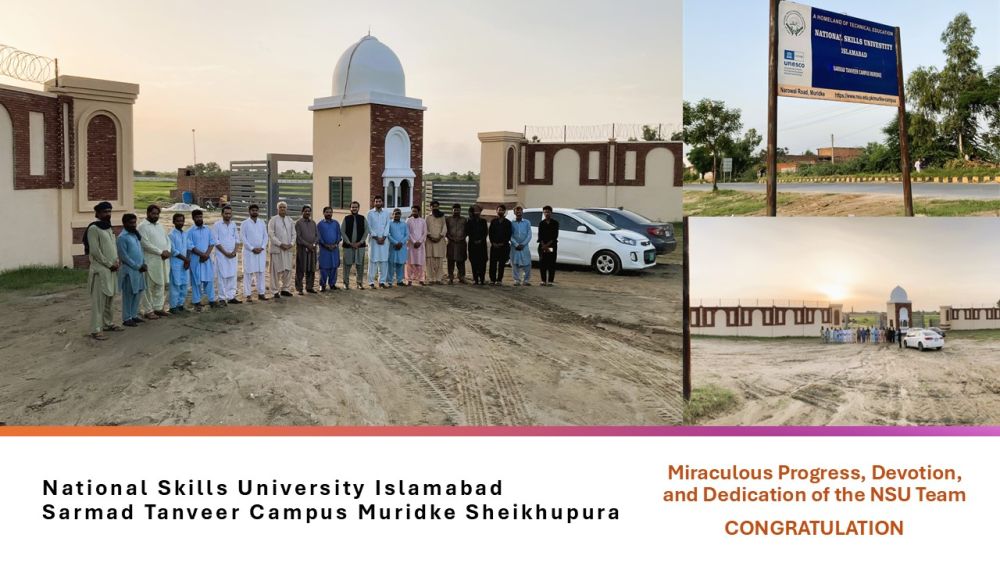
Drawing on his experience as the Founding Vice Chancellor of the National Skills University Islamabad, Prof. Mukhtar highlighted that he had collaborated with international partners through the UNESCO-UNEVOC Coaction Initiative to develop strategies that promote microcredentials as a pathway to employability, particularly for the rapidly expanding New Collar workforce, where practical competencies increasingly outweigh traditional academic credentials.
The event featured distinguished addresses by Dr. Syeda Asiyah Bukhari, President of PNQAHE; Prof. Dr. Syed Sohail Hussain Naqvi, Chief Executive Officer of Knowledge Streams; Prof. Dr. Iqrar Ahmad Khan, Chairman of the Punjab Higher Education Commission; Dr. Susanna Karakhanyan, an internationally recognized expert in higher education governance and former President of the International Network for Quality Assurance Agencies in Higher Education (INQAAHE); Dr. Wesley Teter, Senior Specialist in UNESCO's Higher Education Section; and Mr. Nasir Shah, Director General of the Quality Assurance Agency at HEC Pakistan.
Designed as an executive-level professional development program, the microcredential initiative aims to equip higher education leaders with contemporary governance models, international quality-assurance standards, evidence-based policy frameworks, and practical strategies for institutional leadership. Beyond professional development, it is a strategic effort to embed accountability, innovation, continuous improvement, and global competitiveness throughout Pakistan's higher education system.
The launch of the first cohort marks not only the beginning of a training program but also reflects Pakistan's broader ambition to modernize university governance and align national quality assurance practices with internationally recognized standards. As universities worldwide increasingly adopt stackable credentials and lifelong learning ecosystems, Pakistan's embrace of executive microcredentials signals its determination to prepare academic leadership for an era defined by rapid technological change, evolving workforce demands, and global educational transformation.