How a Photo on a Bus Confused a Self-Driving Car?
Posted 7 months ago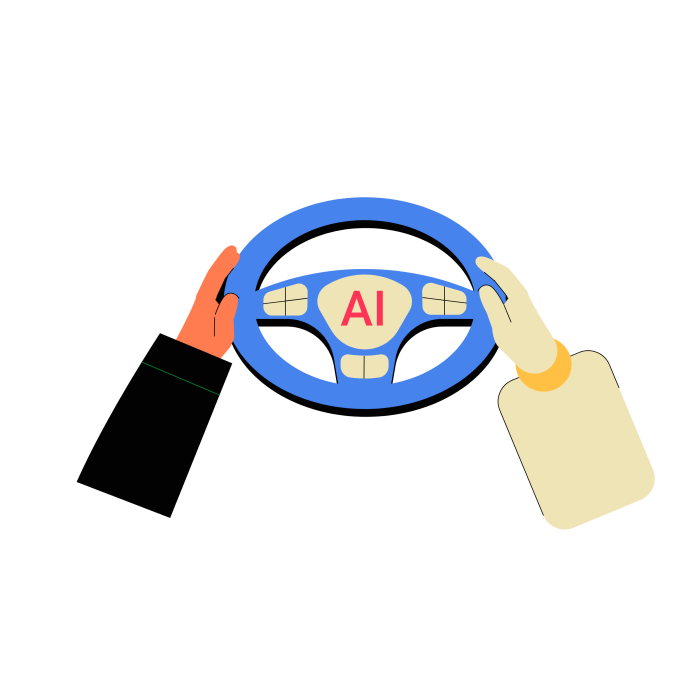
21/2026
Imagine driving down a city street in a car that is supposed to be self-driving, and suddenly it comes to a screeching halt for no clear reason. That’s what recently happened in York, England, when a driverless vehicle slammed on its brakes after its artificial intelligence mistook a large bus advert showing people for actual pedestrians in the road.
To human cognition, it appears almost funny. But in the world of self-driving cars, this incident underscores a real challenge: machines still interpret the world very differently than humans do. Despite all the discussion about sensors, cameras, and radar meant to make autonomous vehicles safer, they depend on pattern recognition — and occasionally, that recognition fails in unexpected ways.
A driverless car mistook images on a moving bus for a group of people standing in the street. The car’s software reacted as it’s designed to by braking hard to avoid what it believed was a possible collision. That instinct makes sense for a safety-first machine, but an unexpected full stop on a busy road can be dangerous for the vehicle behind it and jarring for any passengers inside.
This isn’t just a one-time glitch. Developers worldwide are still struggling to teach computers to distinguish real obstacles from shadows, signs, reflections, or even a movie billboard, as in this case. Even advanced systems used in robotaxi and driver-assist technology sometimes misinterpret the scene, causing sudden braking or confusion in busy traffic situations.
For everyday drivers and commuters, this story serves as a reminder that self-driving cars are still a work in progress. The idea of vehicles that safely navigate busy streets with fewer accidents than humans remains appealing. However, incidents like this demonstrate that nuance, context, depth, and real-world complications still challenge even the most advanced systems.
Additional Reading:
Driverless car slams on brakes after mistaking bus advert for real people